
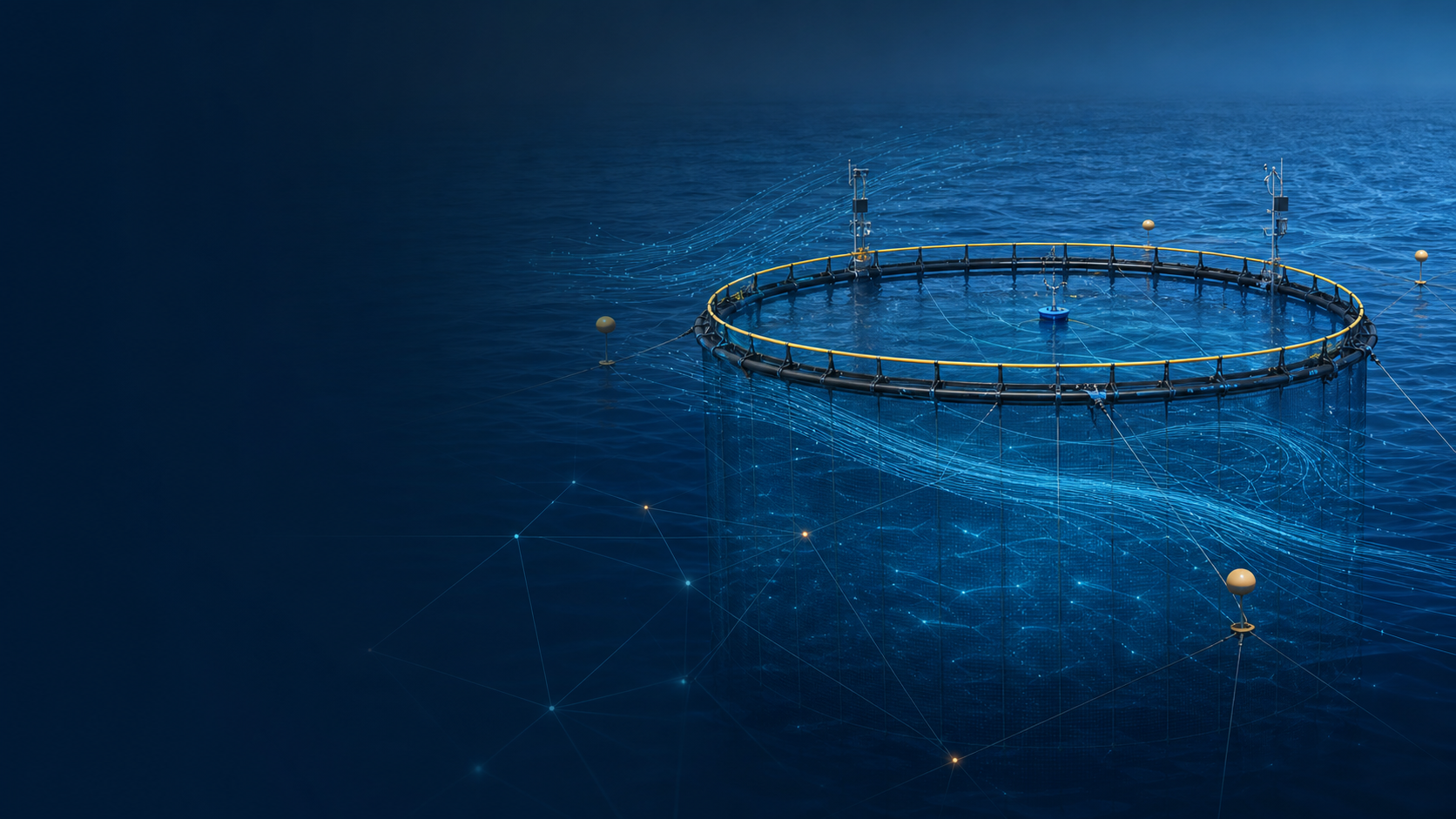
Engineering, validated.
The ocean understood.
Combining hydrodynamic & structural simulation, underwater vision, intelligent control and operational data — turning unseen sea conditions and fish behavior into analytical, actionable engineering signals.
From the physical world to digital decisions.
CYOCEAN's technology stack is not a collection of isolated algorithms — it's a four-layer capability chain spanning structural design, equipment control and daily operations.
Hydrodynamic & Structural Simulation
Engineering models for sea states, flow fields, structures and mooring — verifying loads, displacement and safety margins in advance.
View SimulationUnderwater Vision & AI
Robust imaging in complex underwater environments. Deep-learning analysis of fish school state, providing ground-truth calibration for biomass estimation.
Discover Aquaspark™Equipment Control & Coordination
Unify equipment state, control strategy and workflow — letting feeding, circulation, transfer and operations coordinate reliably.
Data Operations & Analytics
Combine environment, fish, equipment and operations into a single data model — forming traceable operational assets.
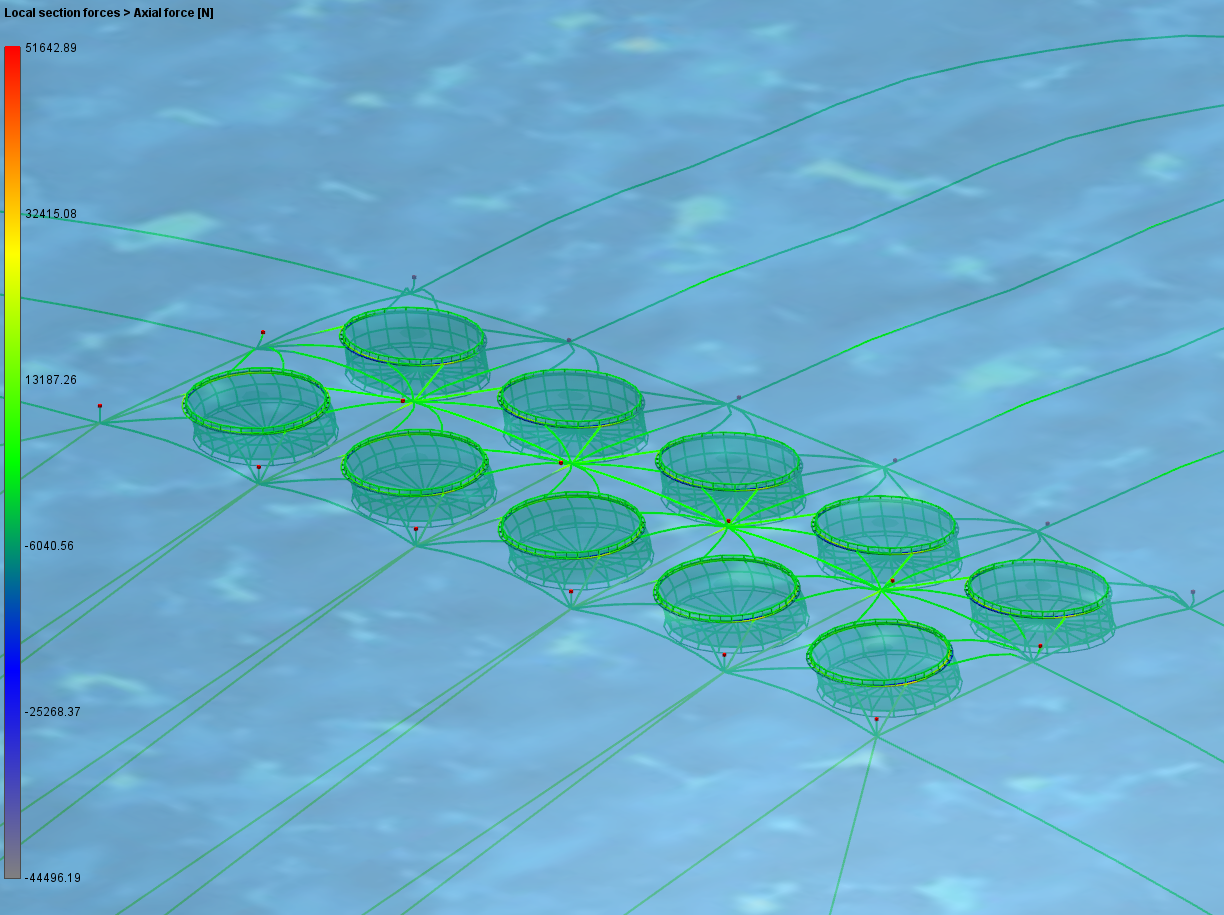
Before going to sea, let the system face real ocean conditions in simulation.
Use numerical models to understand the relationship between sea conditions and structures — exposing risks, comparing options and optimizing parameters at the design stage.
- 01
Site & Sea-State Survey
- 02
Mesh & Boundary Design, Define environmental boundary conditions
- 03
Structure, Mooring & Fatigue
- 04
Cage Design Optimization
- 05
Computational Analysis & Delivery
Cage Design Optimization
Enter Simulation PageModels, field data and operations continuously calibrate each other.
Engineering models guide design, on-site monitoring validates the models, and operational data further refines parameters — letting the system evolve with project experience.
Numerical Modeling
Define sea-state boundary and structural parameters.
Field Deployment
Install structure, sensing and control systems.
Data Verification
Compare against real loads, displacement and state.
Continuous Optimization
Refine the model and optimize system strategies.
Let every critical design decision be backed by models and data.
Share site sea-state, structural concept or existing system materials — we'll evaluate simulation, sensing and digitalization paths.
Talk to Engineering